

Native Gardens for Everyone’s Benefit
Our winery gardens an oasis for wine lovers and wildlife at the top of the Dundee Hills.
As you drive down the winding gravel road to Winter’s Hill Estate, you are entering a unique environment. At every season of the year, trees, bushes, and wildflowers create beauty and habitat for animals and pollinating insects such as butterflies and native bees.
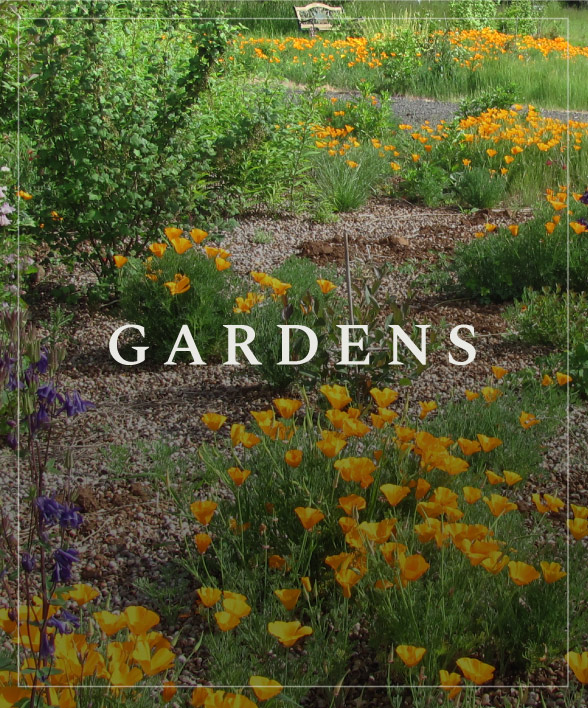
From the construction of our road in 2004 to the present, Emily Gladhart has used native plants and trees to establish the gardens and landscape at Winter’s Hill. Her careful selection of different species means that there is almost always something blooming on the property.
In addition, these native species are well adapted to the environment and rarely need supplemental water or fertilization.
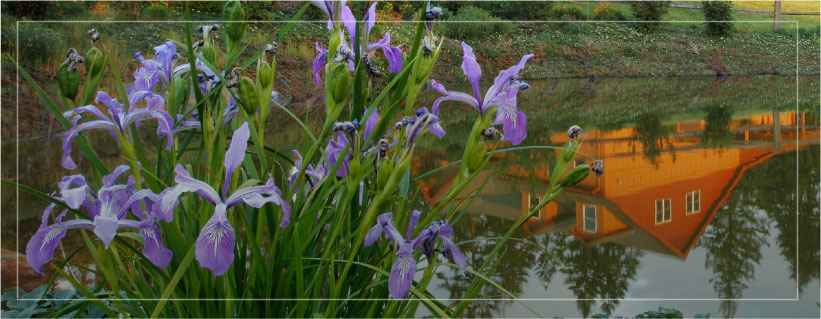
Explore the Grounds
Guests are encouraged to explore the grounds, such as the small pond near the Tasting Patio.
Supplied with rainwater collected from the winery roofs, the pond is surrounded by plants such as the coastal strawberry and Oregon Grape.
The pond itself attracts many birds and invertebrates. The pond also serves as a firefighting reservoir, although we hope we will never need it!
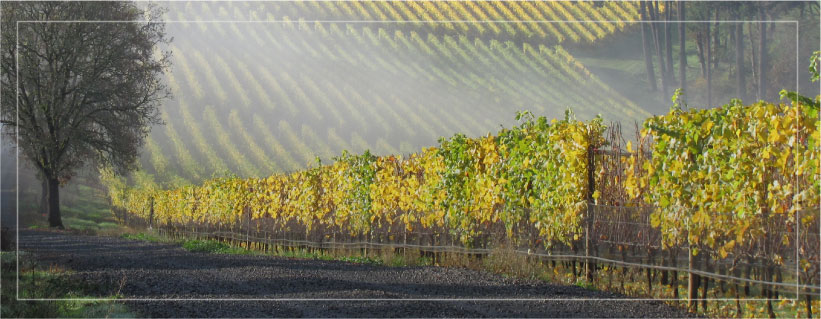
Stroll Through the Vineyards
Visitors wanting to see more are welcome to walk down to the vineyards. The road skirts the edge of our restored Oak Savannah, a critical and rare habitat in the Willamette Valley.
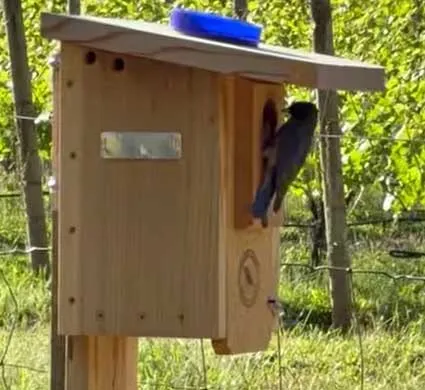
Edges of habitat are the best places to see wildlife, and Bluebirds, Acorn Woodpeckers, Kestrels, and Coyotes are often seen moving between the Oak Savannah and the farm fields.
Wear sturdy shoes, and remember, the walk back is all uphill!
August 27, 2026

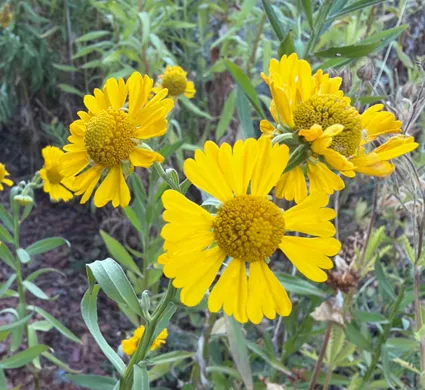
Sneezeweed
This sneezeweed, Helenium autumnal, has taken several years to bloom but what a welcome surprise so late in summer! Will try propagating more from seed.
August 20, 2026
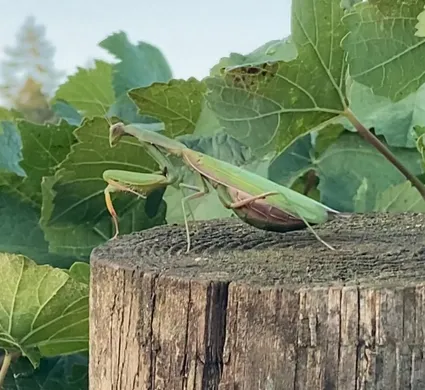
Praying Mantis
Praying mantis is well camouflaged in vines and shrubs where it feeds mainly on other insects. Overwinters as eggs in tough protective cases attached to stems and twigs.
August 6, 2026
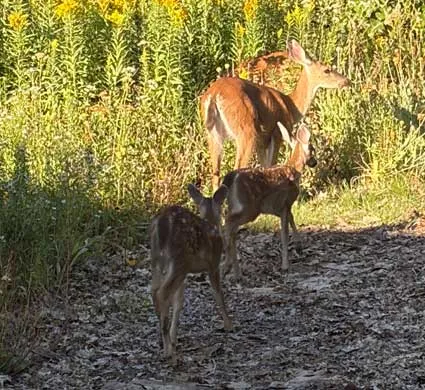
Gardening with Deer
Gardening with deer means growing plants that your deer don’t like.Fortunately there are many natives to choose from but it requires experimentation
July 30, 2026
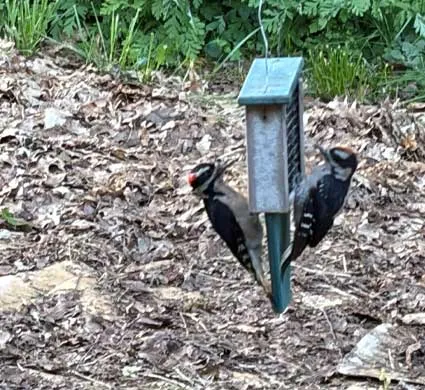
Acorn Woodpeckers
Acorn woodpeckers prefer insects but gather acorns and store them in individual holes they drill in ‘granary’ trees to share communally in winter. Typically 5-10 birds form group.
July 23, 2026
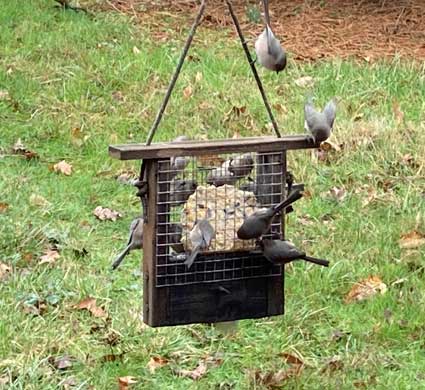
Bushtits Flock Together
Except when nesting, bushtits flock together. Mated pairs stay together for several years. They build 1ft. long hanging nests not higher than 10’ from the ground in bushes. Bushtits feed mostly on insects.
July 16, 2026
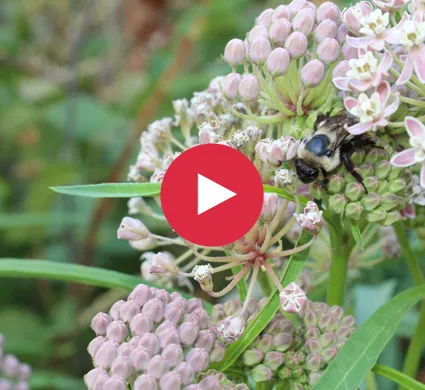
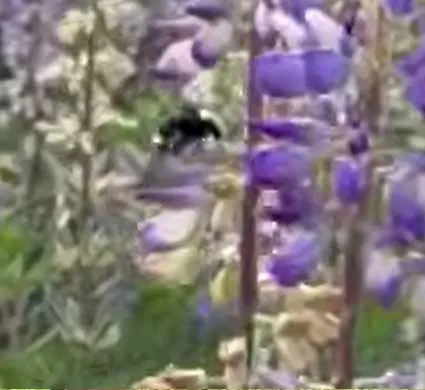
Bumblebees Nest in the Ground
Bumblebees, like most native bees, nest in the ground. This worker bee is off to gather pollen to feed the queen bee's eggs when they hatch. Nest predators include mice and robins.
July 9, 2026
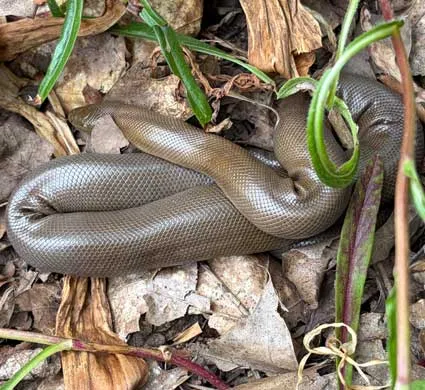
Rubber Boa Snake
The rubber boa snake is non-venomous, nocturnal feeding primarily on voles and mice. Unfortunately reproduce on average only every 5 years! Warrant protection!
July 2, 2026
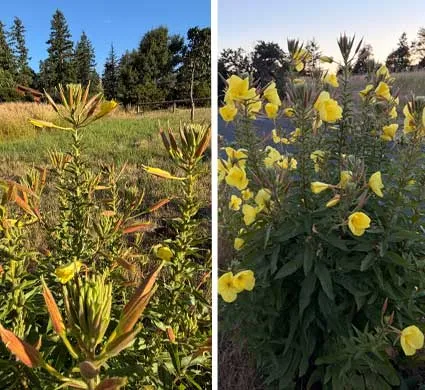
Evening Primrose
Evening primrose begin opening buds about 8pm alluring night-flying moths and insects and are wilting by 9am. Ants march up stem 24 hours and are good source of food for songbirds.
June 25, 2026
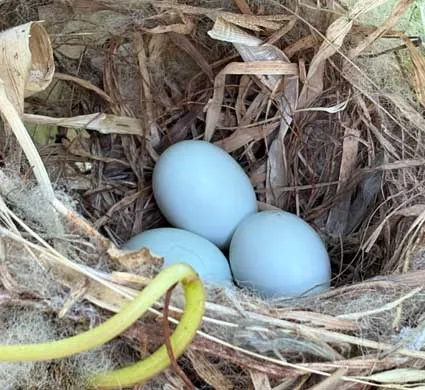
Nesting Finches
Grapevines provide habitat for nesting finches - camouflage & easily caught spiders for the young. Wool from the sheep makes an excellent building material for the nests.”
June 18, 2026
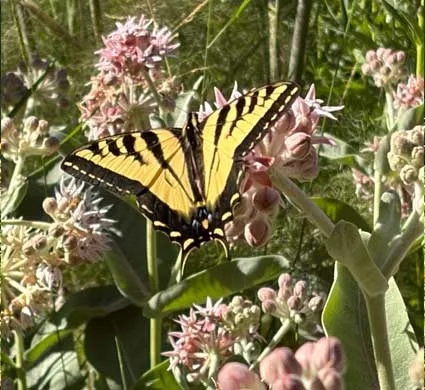
Monarch Butterflies
Monarch butterflies are not the only species to nectar on Milkweed. Swallowtails and many others do as well.
June 10, 2026
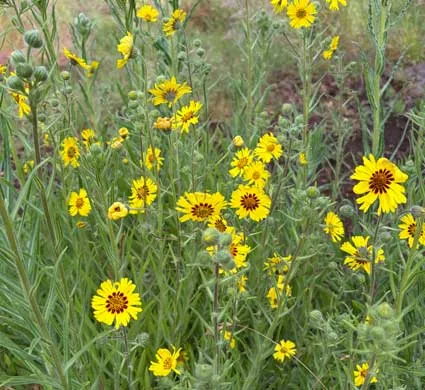
Tarweed
Seeds of Tarweed (Madia elegans) were used for oil or ground into flour by indigenous people in the Willamette Valley.
June 3, 2026
Bluebirds
Bluebirds feeding their babies at Winter’s Hill Estate.
May 28, 2026
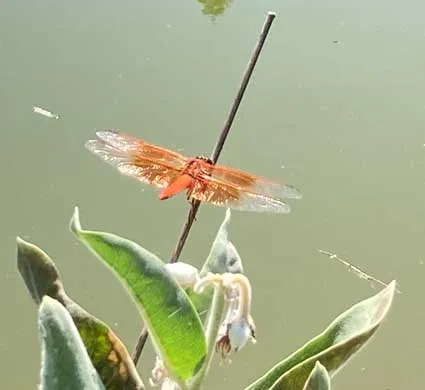
Dragonflies
Dragonflies mean summer has arrived!
May 21, 2026
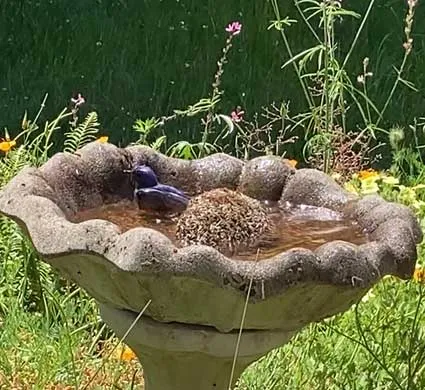
Western Bluebirds
Western Bluebirds love a cool bath!
May 13, 2026
Bumble Bee
See the bulging pollen sacs on the Bumble Bee, as well as the successfully pollinated seed pods lower down on the stem.
May 7, 2026
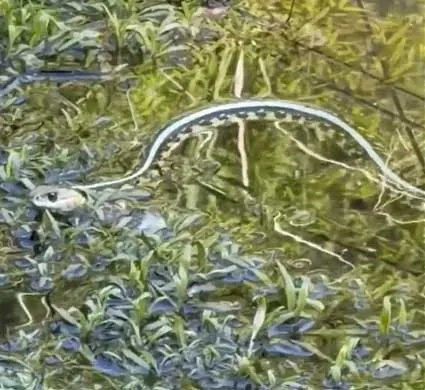
Ponds
Ponds provide important habitat for snakes. Fortunately, in Western Oregon, virtually all of our snakes are non-venomous and safe (for humans ????).
April 30, 2026
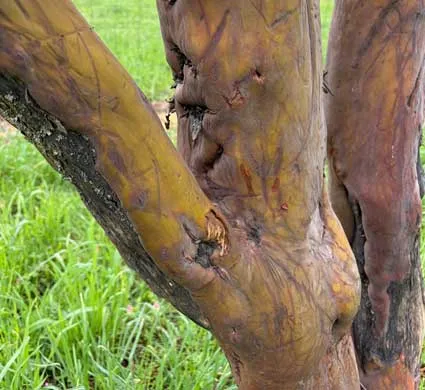
Madrona Tree
I’m fascinated by the bark of madrone trees. Tiny ants climbing up are food for bluebrids.
April 23, 2026
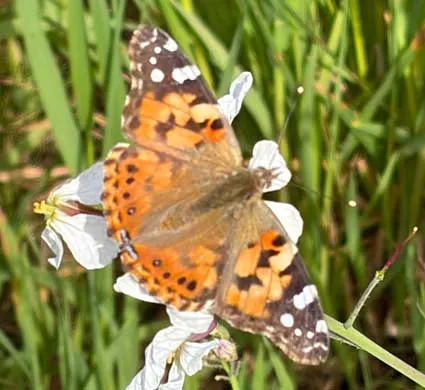
Painted Lady Butterfly
I’m pleased to see the Painted Lady Butterfly using wild mustard as a host.
April 16, 2026
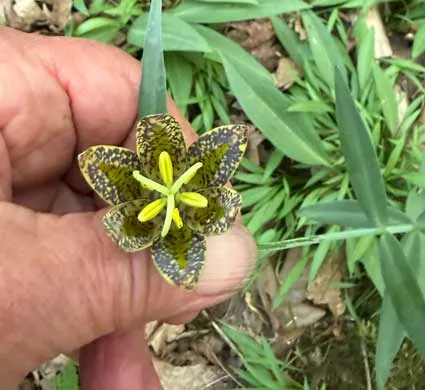
Chocolate Lily
Chocolate lily blooming under the Oaks
April 9, 2026
Killdeer
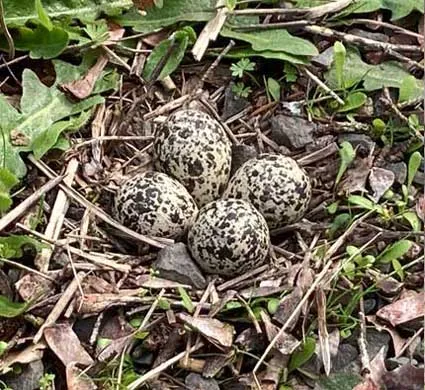
Killdeer scratch out a depression in the gravel, you can hardly call it a nest.
April 2, 2026
Big Leaf Maple
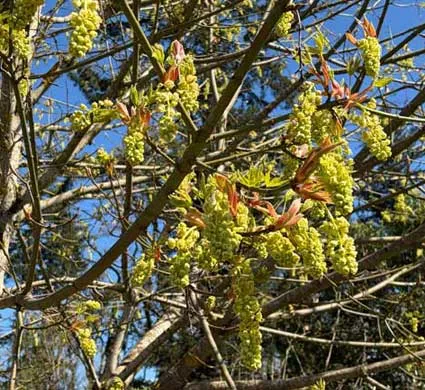
The Big Leaf Maple is in full bloom.